
The Silent Epidemic: Underdiagnosis and Stigma
Historically, Eating Disorders (EDs) have been primarily associated with the female population, creating a profound gender bias that persists in society, research, and, often, in clinical practice.
The reality is that EDs in men are a silent epidemic that is being systematically underdiagnosed.
The bias occurs because traditional questionnaires focus on thinness, the classic female symptom. This causes male symptoms, which tend to center on muscularity, volume, and fitness, to go unnoticed. Furthermore, EDs are socially perceived as a “women’s illness,” which generates shame and internalized stigma in men, leading them to hide the pathology.
The disorder is camouflaged behind socially accepted or even valued behaviors. Over-exercising, extreme dieting, or orthorexia are easily mistaken for “discipline” or “healthy living.”
At ART Clinic, our mission is to break this armor and give visibility to men’s suffering.

Our Treatment Approach: The Hard Shell and the Masculinity Conflict
We understand that the body, for many men, becomes a “teleological body” (focused on an external goal: muscularity) and functions as a facade or a “shell” to avoid feeling vulnerability and difficult emotions.
We do not just treat an ED; we treat an identity conflict.
We base our specialized treatment on the insights obtained from our research line (Beyond Bigorexia Project, in collaboration with UAB, UIC, and UNIR), identifying the following key areas of intervention.
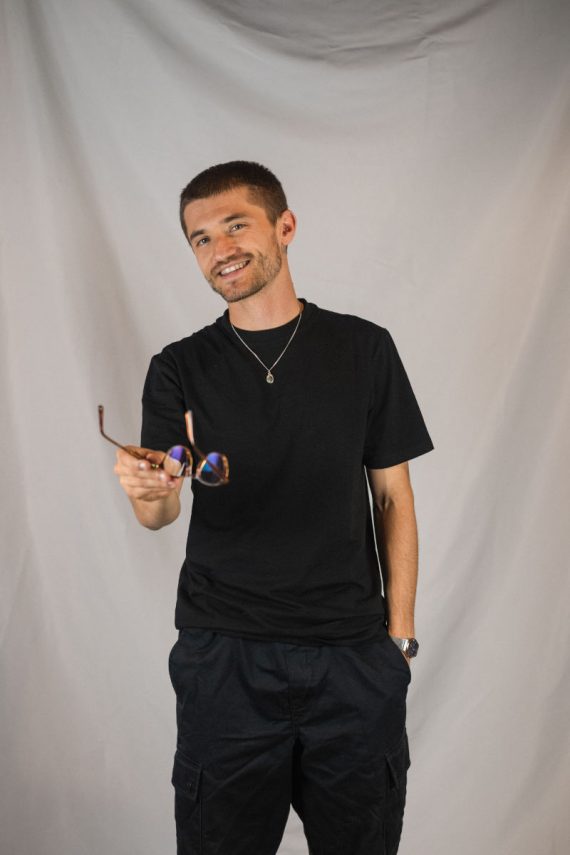
1. The Body as Emotional Regulation
The symptom (restriction, excessive exercise, binging) is not an end, but a coping strategy. In therapy, we explore:
- Function of the Symptom: What does it help avoid feeling or help feel control?
- Mentalization: We help identify and name the underlying emotions (anger, sadness, fear) that are being managed through food or exercise. We use the Mentalization-Based Treatment (MBT) Model to improve the mind-body connection, overcoming emotional isolation.
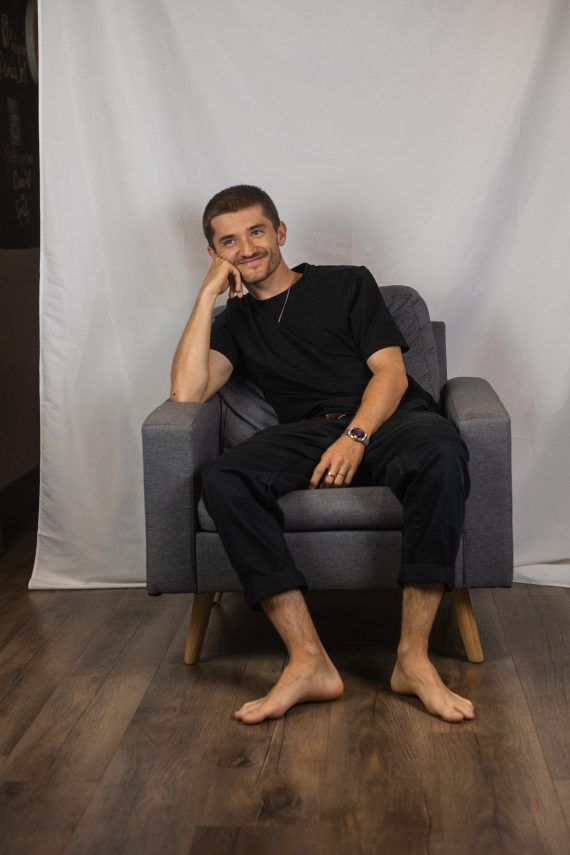
2. Masculinity and Connection (The Relational Model)
The pressure of hegemonic masculinity to be “strong” and “invulnerable” leads to isolation and loneliness. Our therapy focuses on:
- Gender Identity: Deconstructing the mandates that dictate that worrying about the body is “women’s business” and exploring what it truly means to “be a man” today.
- Vulnerability as Strength: Teaching that true self-confidence is born from the ability to sustain and share vulnerability, building a relational masculinity.
- Support Groups: We offer safe spaces, including specialized therapeutic groups for men (available in Spanish and English for the expat community), where peer support and the co-creation of a healthier masculinity are encouraged.

3. Specific Multidisciplinary Approach
Treatment requires a team that understands the particularities of male symptomatology, which often presents as Muscle Dysmorphia (Bigorexia) or Orthorexia. Our multidisciplinary team includes:
- Individual Psychotherapy: For deep exploration of trauma, identity, stigma, and mentalization.
- Clinical Nutrition: For the rehabilitation of the relationship with food, distinguishing between healthy fitness and pathological obsession.
- Medicine / Psychiatry: For monitoring physical sequelae (e.g., anabolic steroid use or low weight due to restriction).
- Body Work: For the integration of the body as a source of pleasure, and not just performance or control.
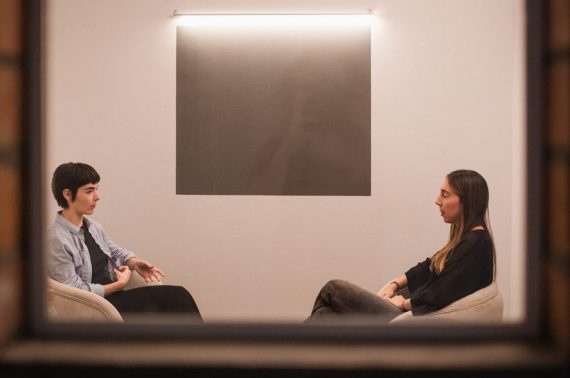
What We Treat in Men?
At ART Clinic, we address the full spectrum of EDs and their camouflaged forms, adapting the approach to the male manifestation:
- Anorexia Nervosa (AN) and Bulimia Nervosa (BN).
- Binge Eating Disorder (BED), often associated with the stigma of “lack of willpower.”
- Muscle Dysmorphia (Bigorexia): Pathological obsession with increasing muscle mass and definition.
- Camouflaged Orthorexia: Obsession with “pure” or “healthy” food hidden under the label of “fit lifestyle.”
- Body Image Disorders associated with performance or professional pressure.
If you identify with the feeling that “it’s never enough,” if your discipline isolates you, or if your body is your only source of validation, it is time to seek help.
Person, our expert in this field, is available for an initial assessment.