Wednesday 07/10/2026
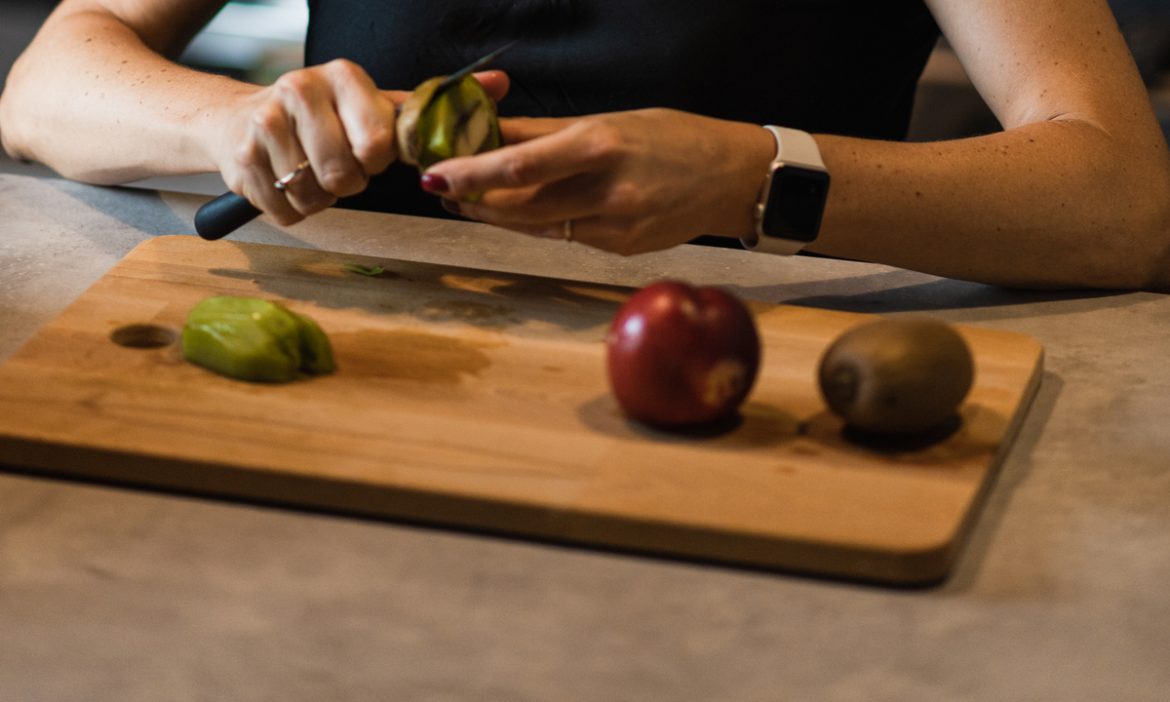
Photo: Katarina Wolnik Vera
Text: Alejandra Misiolek in collaboration with Daniella Espidel
When someone’s relationship with food becomes rigid or compulsive, it can look like a “willpower issue.” But in eating disorders, food often functions as a fast tool to manage difficult emotions. Understanding this mechanism can help reduce shame and open the door to safer alternatives.
The Myth of Control: Food as an Emotional Refuge
There is a common myth about eating disorders: that they are “a problem with food.” As if the root were simply what a person eats, how disciplined they are, or how much control they have. In clinical reality, food is rarely the true centre. More often, it becomes the instrument.
Many people describe restriction as a kind of calm. At first it does not feel like suffering; it can feel like order: “If I control this, I control something.” The mind narrows, the world becomes simpler. And that narrowing can offer temporary relief—especially when anxiety, shame, trauma, perfectionism, or overwhelm are present underneath.
In other cases, binge eating feels like a blackout: a moment in which the mind stops fighting, even if regret arrives afterwards. And compensatory behaviours (vomiting, compulsive exercise, laxatives, fasting) become a desperate attempt to erase what the body experiences as threat: guilt, fear of change, terror of losing control.
Beyond the Plate: Learning to Regulate the Nervous System
From this perspective, it makes sense that “stopping” can feel impossible. It is not only about removing a habit; it is about giving up a strategy that—despite its cost—has helped someone emotionally survive. This is why recovery is not only about “eating normally.” It is about learning to regulate the nervous system in other ways.
What does emotion regulation mean? Not feeling good all the time. It means being able to move through inner states without anaesthetising them through control or self-punishment. It involves concrete skills: noticing early signs of activation (tension, urgency, rumination), naming what is happening, asking for support, creating pauses, tolerating uncertainty, and holding distress without reacting through harmful impulses.
One key is learning to distinguish “physical hunger” from “emotional hunger” without using that distinction as a judgement. Sometimes we eat to regulate, and that is human. The problem begins when food becomes the only available channel—and when dietary control becomes the condition for feeling worthy of rest, connection, or value.
From Control to Relief: Making Space for New Questions
If you recognise yourself in this pattern, a more helpful question than “Why can’t I control myself?” might be: “What emotion am I trying to manage through this?” and, from there, “What else could give me even 5% relief without destroying me?”
In the end, recovery rarely looks like winning a battle. It looks like a life that slowly expands again.
Key Takeaways
- In many eating disorders, food behaviours function as emotion regulation strategies.
- Restriction can feel soothing in the short term; the cost comes later.
- Recovery is not only behavioural change: it is building alternatives for anxiety, shame, and overwhelm.
- Asking for help is reasonable when the eating disorder has become your “only resource.”
References:
- Zhou, R., Zhang, L., Liu, Z., & Cao, B. (2025). Emotion regulation difficulties and disordered eating in adolescents and young adults: a meta-analysis. Journal of eating disorders, 13(1), 25. https://doi.org/10.1186/s40337-025-01197-y
- Borm, I. M., Hartmann, S., Barnow, S., & Pruessner, L. (2025). Binge eating as emotion regulation? A meta-analysis of ecological momentary assessment studies. Clinical Psychology Review, 102625. https://doi.org/10.1016/j.cpr.2025.102625
- Rozakou-Soumalia, N., Dârvariu, Ş., & Sjögren, J. M. (2021). Dialectical Behaviour Therapy Improves Emotion Dysregulation Mainly in Binge Eating Disorder and Bulimia Nervosa: A Systematic Review and Meta-Analysis. Journal of personalized medicine, 11(9), 931. https://doi.org/10.3390/jpm11090931